The 9 Important Considerations for Preventing Oil Pipe Blockage at Shengding Skid-Mounted Fuel Stations


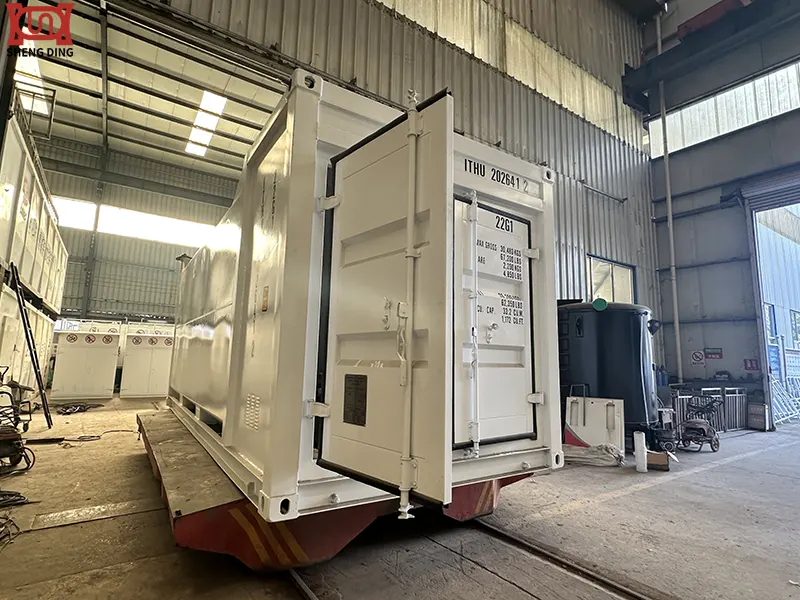
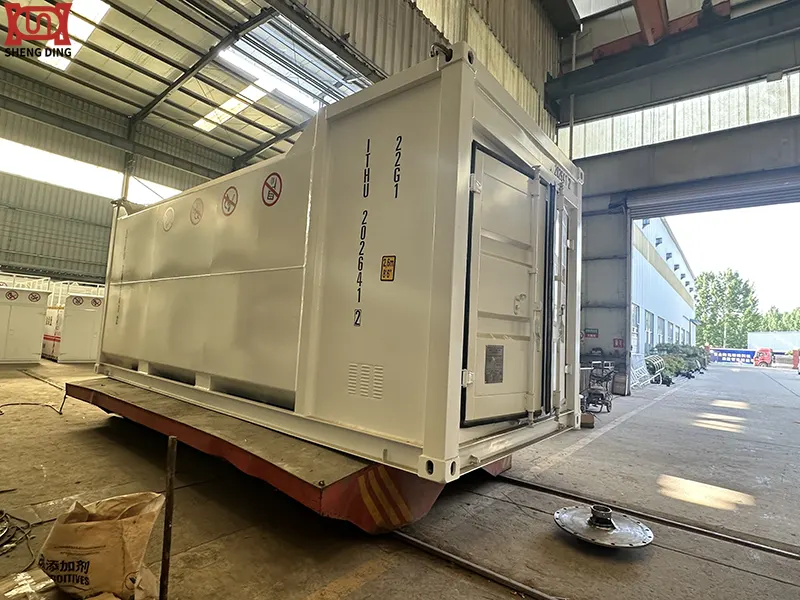
Skid-mounted fuel stations, due to their high integration, small footprint, and rapid construction, are widely used in logistics parks, industrial and mining enterprises, and public transportation stations. However, because of their compact oil system structure and relatively long and thin pipes, oil pipe blockage can not only affect normal refueling efficiency but also potentially cause equipment failure and even safety hazards. Oil pipe blockage is not accidental; it is often the cumulative result of problems such as the accumulation of impurities in the oil, inadequate maintenance, or operational negligence. Professional manufacturers such as Taian Shengding have found in their field services that many blockage problems can be completely avoided through proper daily management. Therefore, Shengding Containers has compiled the following nine important considerations to help operators and maintenance personnel reduce the risk of oil pipe blockage from the source and ensure the long-term stable operation of skid-mounted fuel stations.
1. Strictly control oil quality and prevent impurities from entering the tank.
1.1. Oil Procurement Access Data
- Strictly procure compliant refined oil products that meet national standards. All indicators of diesel and gasoline must comply with current national oil standards. Non-standard oil, blended oil, recycled waste oil, and sediment oil are prohibited from entering the warehouse.
- Oil Impurity Content: Mechanical impurities <= 0.01%, no visible suspended matter, particulate matter, or fibrous impurities.
- Oil Moisture Content: Water content of automotive diesel <= 200 mg/kg, automotive gasoline free of free water and no stratified water.
1.2. Rigid Data for Unloading Acceptance and Sampling
- Tanker trucks must be allowed to settle for >= 15 minutes upon arrival. Immediate unloading upon arrival is prohibited.
- Oil Sample Appearance Inspection: Oil must be clear and transparent, free of turbidity, black sediment, flocculent matter, and oil-water separation.
- A sample of at least 500ml must be taken from each vehicle and retained for at least 7 days.
- Any vehicle found to have excessive free water, obvious impurities, or turbidity will be rejected immediately and must not be unloaded into skid-mounted storage tanks.
1.3. Oil Tank Storage Management Data
- Tank Bottom Water Monitoring: Monitor weekly. Free water thickness at the tank bottom should be <=30mm. If it exceeds this limit, immediately drain the water.
- Regular Tank Cleaning Cycle: Clean every 6 months for normal oil use; clean every 3 months for oil with high impurities or in complex environments such as construction sites/mining areas.
- Tank Bottom Sludge and Sediment Residue: After cleaning, there should be no obvious sludge accumulation at the tank bottom, and the sediment thickness should be <=5mm.
1.4. Source Filtration and Interception Configuration Data
- Unloading Port and Tank Truck Connection Interface: Standard configuration includes a 60-80 mesh stainless steel filter screen, intact, undamaged, and undeformed.
- Install a pre-filter on the skid-mounted tank's main inlet pipe to intercept large particles and prevent welding slag, rust, and sediment from entering the main pipeline.
- It is strictly forbidden to remove, detach, or bypass any stage of the filter system; ensure a closed-loop filtration process.
1.5. Environmental and Temperature Control (Preventing Wax Deposition and Clogging)
- Low-Temperature Environment: When the temperature is <=4oC, the corresponding low-pour-point diesel fuel must be used to prevent wax precipitation and pipeline blockage.
- Ensure the tank is properly sealed and the breather valve is functioning correctly to prevent rainwater, moisture, and dust from entering the tank and causing secondary pollution.
2. Staged Filtration, Regular Filter Cleaning and Replacement
2.1. Specifications of Each Filter Stage
- Unloading Port Coarse Filter: 60-80 mesh, thickened stainless steel filter.
- Main Oil Inlet Filter: 80 mesh.
- Fuel Dispenser Pre-Filter: 100-120 mesh.
- Fuel Nozzle Built-in Filter: 120 mesh precision filter.
2.2. Mandatory Cleaning Cycles
- Unloading Port Filter: Clean every 3 days; daily in windy, sandy, or harsh construction environments.
- Pre-Filter: Clean weekly.
- Fuel Dispenser Filter Element/Screen: Clean every 7 days under normal operating conditions, mandatory replacement every 30 days; clean every 3 days for poor oil quality, short-distance delivery, or construction site use, mandatory replacement every 15 days.
- Fuel Nozzle Filter: Inspect and clean every 15 days.
2.3. Differential Pressure and Clogging Judgment Data
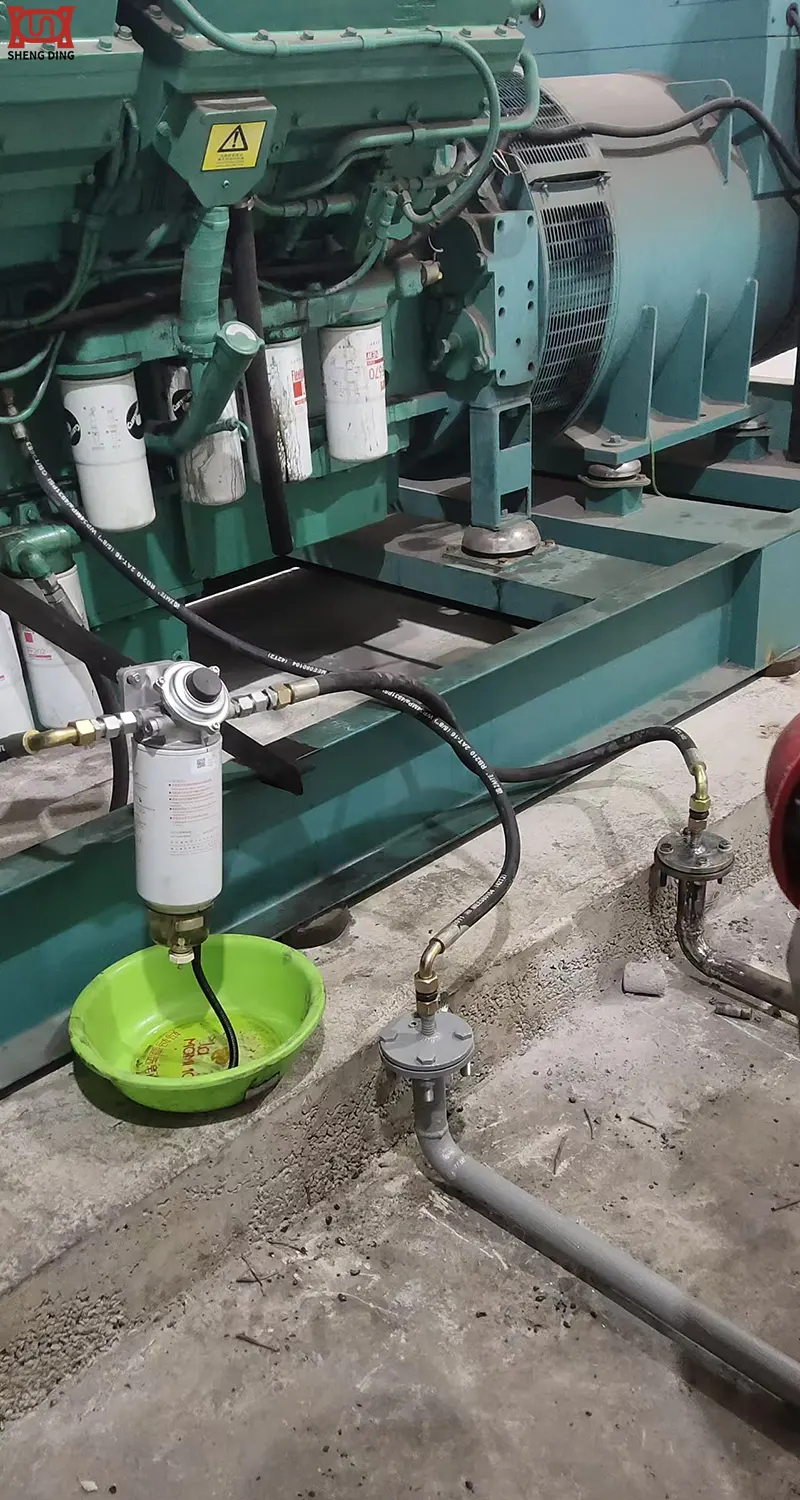
- Fuel dispenser filter inlet/outlet pressure difference > 0.03MPa: Immediately stop the machine and disassemble for cleaning.
- Fuel flow rate decrease >= 20%: Filter screen is clogged; clean immediately.
- Filter screen surface impurities thickness >= 1mm: Must be cleaned.
2.4. Replacement and Disposal Standards:
- Filter screens that are deformed, damaged, have cracked mesh, or corroded and perforated should be immediately discarded and replaced.
- Filter screens that are oxidized, rusted, or have clogged mesh that cannot be thoroughly cleaned should be forcibly replaced.
- Filter cartridges that have reached their specified service life must be forcibly replaced upon expiration; they must not be used beyond their expiration date.
2.5. Installation and Usage Specifications:
- Filter screen installation must be properly sealed, with no misalignment, omissions, or bypass connections.
- Cleaning requirements: Compressed air reverse purging + clean oil rinsing; no residual impurities.
- Unauthorized removal, cutting, reduction of filter screen size, or removal of the filter device is strictly prohibited.
3. Pipeline must be thoroughly cleaned before installation to prevent the accumulation of debris.
- New or repaired pipelines must first be purged with compressed air, then flushed with clean diesel fuel until the flowing oil is free of iron filings, welding slag, and dust.
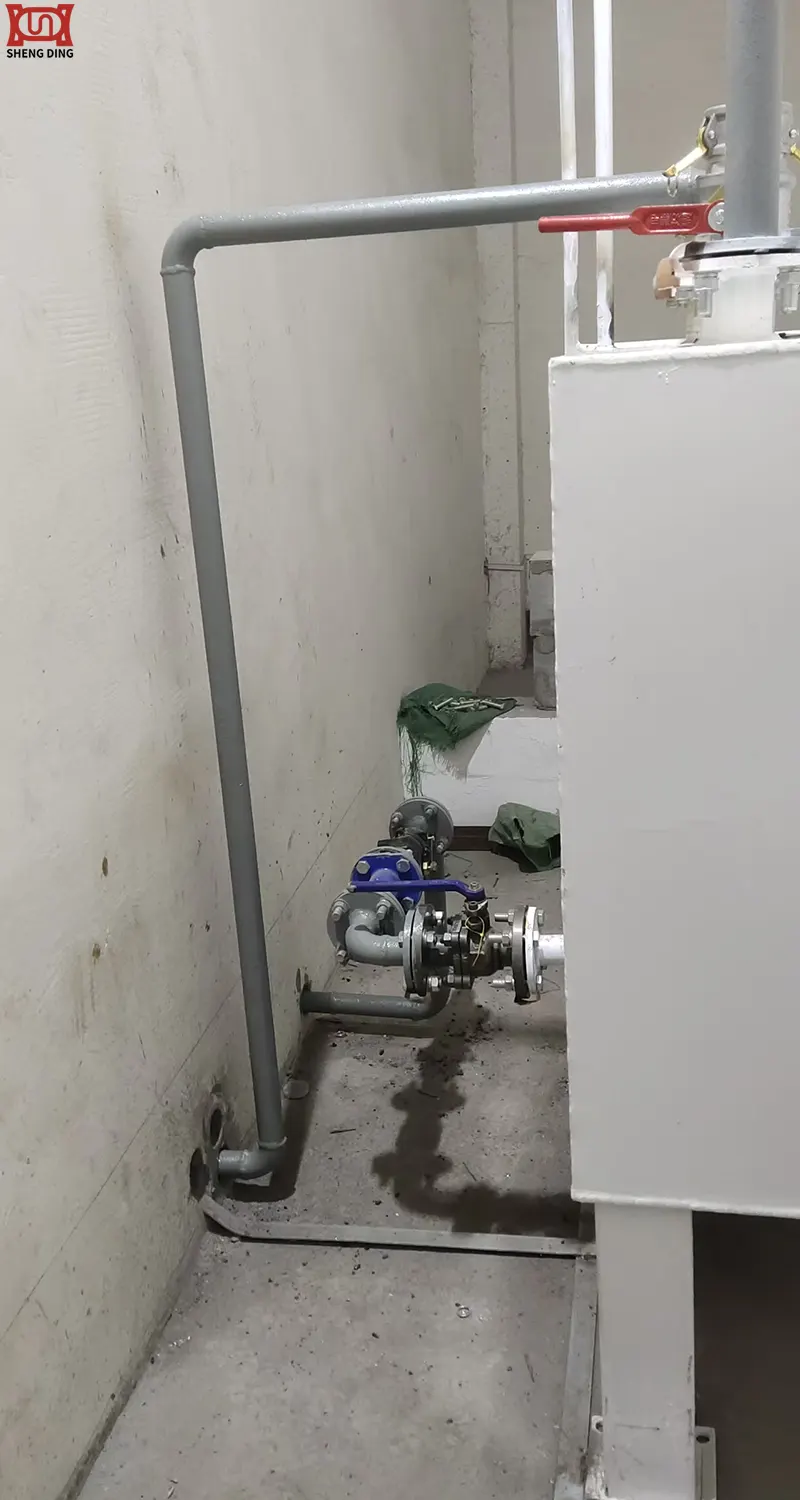
- Pipelines must not have reverse slopes, sharp bends, or depressions to avoid accumulating contaminants; horizontal pipes should maintain a slope of 0.2%-0.5%, sloping towards the oil tank or drain point.
- All pipe openings, flanges, and valve sealing surfaces must be thoroughly cleaned, free of burrs and debris. Gaskets must be made of oil-resistant material to prevent debris from falling into the pipes.
4. Standardize unloading operations to prevent contamination and water contamination.
- Allow the oil to stand for 15 minutes before unloading to allow moisture and impurities inside the tanker to settle completely.
- Initial unloading flow rate <=1m/s (before the oil level submerges the inlet pipe opening by 200mm), normal flow rate <=4.5m/s, to avoid high-speed stirring up sediment from the tank bottom.
- Unloading hoses should be naturally bent without sharp kinks, and joints should be tightly sealed to prevent external contaminants from entering; seal the pipe openings promptly after use.
5. Strictly control moisture to prevent wax buildup/rust blockage
- Check the bottom water level of diesel tanks weekly; drain immediately if it exceeds 50mm. Inspect gasoline tanks monthly to prevent water accumulation.
- In low-temperature environments (below 0oC), use low-pour-point/winter diesel fuel to prevent paraffin precipitation and blockage of filters and pipes.
- Apply anti-corrosion coatings to pipes and tank interiors, and inspect regularly to reduce rust formation and shedding.
6. Design pipelines rationally to reduce dead zones for dirt accumulation
- Do not add branches to the fuel dispenser inlet pipe; do not allow multiple pumps to share a single branch pipe to avoid turbulence and impurity buildup.
- Keep pipelines as short and straight as possible, minimizing bends; when bends are necessary, use large-radius bends (R>=1.5D) to reduce resistance and the probability of dirt accumulation.
- Install drain valves at key low points and inflection points, and drain regularly (once a month) to remove deposited impurities.
7. Daily Inspections for Early Detection and Handling
- Daily check of filter differential pressure/oil flow: Significant flow drop --> immediately clean the filter screen.
- Daily visual inspection of pipelines for leaks, deformation, scale buildup, and impurities accumulation at flanges/joints.
- Weekly spot checks of oil guns, hoses, and valves to ensure unobstructed flow and smooth operation.
8. Regular System-wide Unblocking to Remove Stubborn Blockages
- Every six months, conduct a complete disassembly, cleaning, and unblocking of all pipelines, valves, filters, and oil guns.
- Use clean diesel fuel + soft brush/high-pressure air for cleaning. Do not use hard tools such as wire brushes to avoid scratching the inner walls and creating new impurities.
- After cleaning, circulate and flush the pipelines until all debris is removed before resuming use.
9. Standardized Operation and Maintenance Management, Establishing a Closed-Loop Record
- Develop standard operating procedures (SOPs) for oil acceptance, filter cleaning, tank cleaning, and pipeline unblocking, assigning responsibility to specific individuals.
- Establish a maintenance log: Record the time, location, problems found, and handling results of each cleaning/dredging operation to form a closed-loop management system.
- Strengthen personnel training and eliminate violations (such as using dirty containers to collect oil, mixing different types of oil, etc.) to reduce the risk of blockages from a management perspective.
In summary, the key to avoiding oil pipeline blockages at Shengding skid-mounted fuel stations lies in "clean oil intake, regular impurity removal, and standardized operation." From controlling the quality of the oil source to strictly implementing the cleaning cycle of filters and oil tanks, and checking the condition of valves and the integrity of seals daily, every detail is related to the service life of the entire oil pipeline. It is recommended that all users include the above nine precautions in their daily inspection checklists and monthly maintenance plans, and keep corresponding records. Once early signs such as decreased oil flow or abnormal refueling noises appear, they should be checked against common causes of blockages one by one in a timely manner. Never operate with defects. Only by taking preventative measures can we truly reduce the failure rate, extend the service life of equipment, and ensure safe, smooth, and efficient refueling operations.
Written by
TAIAN SHENGDING METAL CONTAINER MANUFACTURING CO., LTD.
Editor Wang
WhatsApp:+86 152 5486 3111
Email:shengdingtank@126.com


- WhatsApp
- E-MailE-Mail:shengdingtank@126.com
- WeChatWeChat:15254863111