Design Concept and Structural Composition of Double-Barrier Explosion-Proof Oil Storage Tank


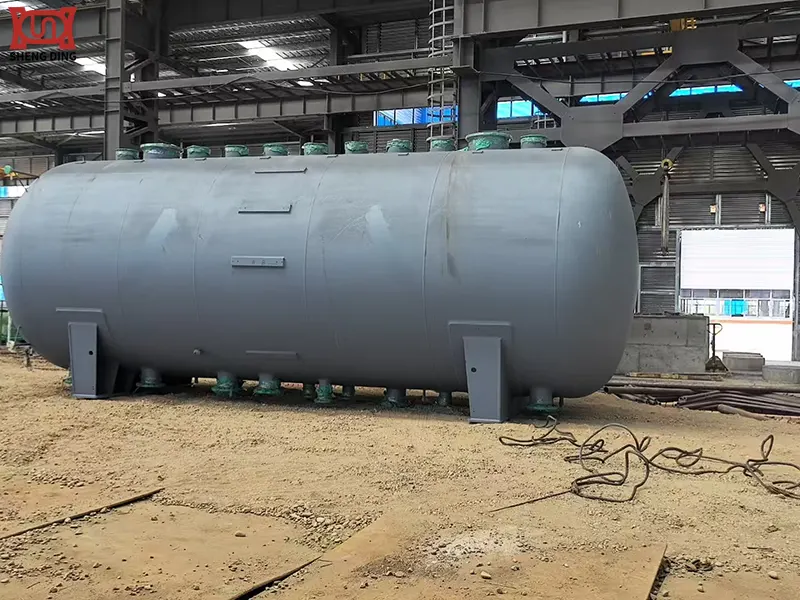
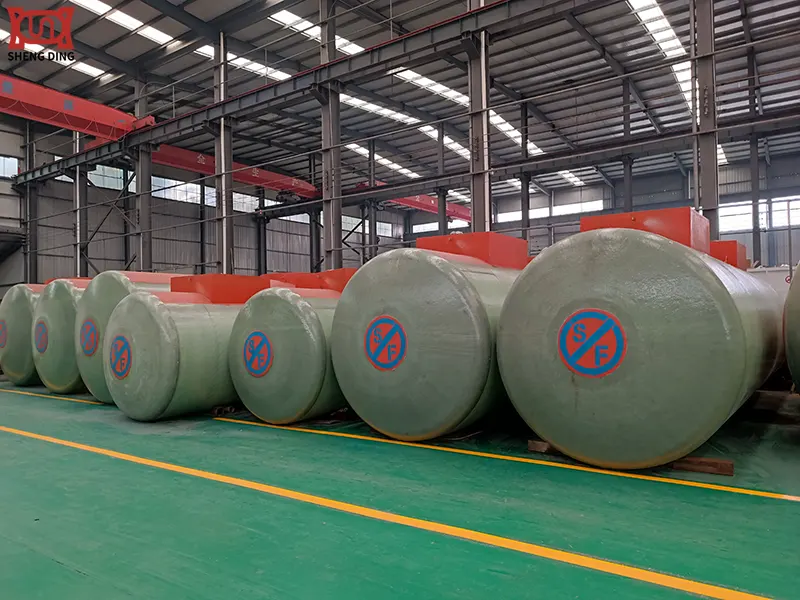
With the continuous development of technology, double-walled explosion-proof oil storage tanks have become the most widely used and safest storage containers in the oil storage industry. They not only feature reliable and safe double-walled explosion-proof measures, but the entire tank body is divided into inner and outer layers, perfectly eliminating safety hazards caused by oil leakage. Today, Shengding Containers will explain in detail the design concept and structural composition of double-walled explosion-proof oil storage tanks. The structure of double-walled explosion-proof oil storage tanks follows the core concept of "double-walled shell + gap monitoring + built-in explosion-suppressing materials + auxiliary systems," with each component working together to achieve the functional goals of leak prevention, explosion prevention, and corrosion resistance.
1. Core Design Concept
1.1. Dual Barrier Redundancy Design
- Adopting a double-walled structure of "inner tank for oil storage + outer tank for protection," common forms include SF (steel inner tank + FRP outer tank), SS (double steel), FF (double FRP), etc. A through gap (typically 20¨C50 mm) is reserved between the two layers. The inner tank is responsible for pressurized oil storage, while the outer tank provides corrosion resistance and secondary barrier, forming a physical isolation that transforms the leakage path from a "single point" to a "double line of defense."
1.2. 24-Hour Real-Time Leakage Monitoring
- The gap is equipped with a built-in pressure/vacuum, liquid level, or sensor array. In the event of leakage from the inner tank, abnormal pressure/liquid level in the gap triggers an audible and visual alarm, locating the leak point and preventing oil spills and environmental pollution. The monitoring system complies with standards such as GB 50156 "Design and Construction Code for Automobile Gas and Gas Filling Stations."
1.3. Intrinsically Safe and Explosion-Proofing
- The tank is filled with a mesh honeycomb alloy explosion-suppressing material, dividing the inner cavity into tiny compartments. Through rapid heat dissipation via heat conduction, free radical adsorption, and flame propagation barrier, it suppresses explosions. The material also has anti-static, surge protection (reducing sloshing energy by approximately 40 times), and cathodic protection functions, extending the tank's lifespan.
1.4. Material and Structural Co-optimization
- Inner Layer: Commonly uses 6¨C8mm Q235-B or Q345R steel plates to ensure pressure resistance and load-bearing capacity.
- Outer Layer: FRP layer thickness ¡Ý2.5mm, corrosion-resistant and galvanic corrosion-resistant, suitable for buried/harsh environments.
- Support and Sealing: Employs specialized support ribs and sealing technology to ensure uniform gaps and structural stability.
2. Core Double-Layer Shell Structure
This is the basic load-bearing and barrier unit of the tank, consisting of an inner tank, an outer tank, and an intermediate gap¡ªa three-layer structure. Common types include SF (steel inner tank + fiberglass outer tank), SS (double steel), and FF (double fiberglass).
2.1. Inner Layer Oil Storage Tank
- Material: Uses high-strength carbon steel such as Q235-B and Q345R, with a plate thickness typically 6¨C8mm (adjusted according to tank volume), meeting requirements for pressure resistance, impact resistance, and oil corrosion resistance.
- Function: Directly stores oil products, withstands media pressure and stress changes during filling and emptying. The inner wall of the tank can be coated with an anti-corrosion coating (such as epoxy resin) to improve corrosion resistance.
- Structural Details: Includes elliptical heads, tank body, and reinforcing ribs. Welds require non-destructive testing (UT/RT) to ensure weld strength and sealing.
2.2. Outer Protective Tank
- Material:
- SF Type: Made of fiberglass (FRP), thickness ¡Ý2.5mm, with resistance to soil corrosion, electrical erosion, and aging, suitable for buried applications.
- SS Type: Uses steel plates of the same grade as the inner tank, thickness 4¨C6mm, requires cathodic protection or external anti-corrosion coating, suitable for high-pressure or harsh operating conditions.
- Function: As a secondary barrier, even if the inner tank leaks, the oil will be confined within the gap between the inner and outer tanks, preventing contamination of soil and groundwater.
2.3. Double-Layer Gap (Monitoring Chamber)
- Dimensions: The gap width is typically 20¨C50 mm, and must be evenly distributed to ensure effective sensor monitoring.
- Structure: Built-in support ribs or isolation pads prevent the inner and outer tanks from sticking together, while enhancing the overall structural stability of the tank; the gap must be completely open to facilitate gas/liquid flow and ensure monitoring accuracy.
3. Built-in Explosion-Proof Unit
The tank is filled with a mesh-like honeycomb aluminum alloy explosion-suppressing material, which is the core component for achieving inherent explosion protection:
3.1. Material and Form:
- Made of lightweight aluminum alloy, processed into an interconnected honeycomb mesh structure with high porosity, it does not affect oil storage and transportation.
3.2. Functions:
- Divides the tank space into numerous tiny compartments, blocking the flame propagation path and suppressing explosions.
- Rapidly conducts heat, reducing local temperature and preventing static electricity buildup and oil surge impact.
- Provides auxiliary support to the tank, reducing the risk of deformation.
4. Leakage Monitoring System
Installed within the double-layer gap, providing 24-hour real-time leak warning, complying with GB 50156 "Design and Construction Code for Automobile Fueling and Gas Filling Stations":
4.1. Core Components
- Sensors: Includes pressure sensor, vacuum sensor, and liquid level sensor (selected according to monitoring method).
- Monitoring Host: Receives sensor signals, displays gap pressure/liquid level data in real time, and triggers audible and visual alarms in case of abnormalities.
- Connecting Piping: Uses oil-resistant and corrosion-resistant hoses to ensure connection between the gap and the monitoring host.
4.2. Monitoring Methods
- Vacuum Method: Negative pressure is applied to the gap; if the pressure rises, leakage in the inner tank is determined.
- Pressure Method: Positive pressure is applied to the gap; if the pressure drops, leakage in the outer tank is determined.
- Liquid Level Method: Applicable to vertical tanks; leaks are determined by monitoring changes in the liquid level within the gap.
5. Auxiliary Function System
5.1. Oil Inlet/Outlet and Accessory Interfaces
- Includes oil inlet pipes, oil outlet pipes, manholes, flanges, valves, etc. Specialized seals (such as fluororubber gaskets) are used at the interfaces to ensure the double-layered seal and prevent communication with the outside.
- The manhole features a double-layered sealing structure for easy access for maintenance personnel.
5.2. Corrosion Protection System
- Inner Tank Corrosion Protection: The inner wall is coated with epoxy resin or polyurea to resist oil corrosion.
- Outer Tank Corrosion Protection: SF-type fiberglass outer tanks have built-in corrosion protection; SS-type outer tanks require cathodic protection (such as sacrificial anode) or an external anti-corrosion coating.
- Anti-static Grounding: A grounding electrode is installed at the bottom of the tank, with a grounding resistance ¡Ü10¦¸, eliminating the risk of static electricity.
5.3. Other Accessories
- Drainage Outlet: Located at the lowest point of the gap, used to drain leaked oil or accumulated water.
- Breather Valve: Balances the pressure inside the tank, preventing deformation due to overpressure or negative pressure.
- Level Gauge Interface: Used to install an external float or magnetostrictive level gauge to monitor the oil level inside the tank.
6. Summary of Structural Features
The core structural design of the double-layer barrier explosion-proof oil storage tank is "redundant protection + active monitoring + inherent explosion protection." The various components work together to solve the leakage risk of traditional single-layer tanks and eliminate the explosion hazard through explosion-suppressing materials. It is the mainstream oil storage equipment for skid-mounted and underground gas stations.
7. Important Role
7.1. Leakage Prevention and Environmental Protection
- The double barrier reduces the probability of external leakage to near zero, protecting soil and groundwater; combined with the oil and gas recovery system, it reduces evaporation losses and VOC emissions, meeting environmental regulations.
7.2. Explosion-proof and Safety Enhancement
- Explosion-suppressing materials can withstand explosions caused by open flames, static electricity, impacts, lightning strikes, etc., allowing for welding repairs while the tank is in oil, reducing maintenance risks; reducing surge effects and improving transportation/filling safety.
7.3. Extended Lifespan and Reduced Costs
- The outer corrosion-resistant layer + cathodic protection of the materials extends the tank's lifespan from approximately 10 years to over 20 years; reducing oil loss and soil remediation costs due to leakage, resulting in better economic performance throughout the entire life cycle.
7.4. Compliance and Risk Management
- Meets the mandatory renovation requirements of gas stations, chemical storage facilities, etc., reducing the risk of safety accidents and environmental penalties, and improving the company's safety credit rating.
8. Application Scenarios and Value
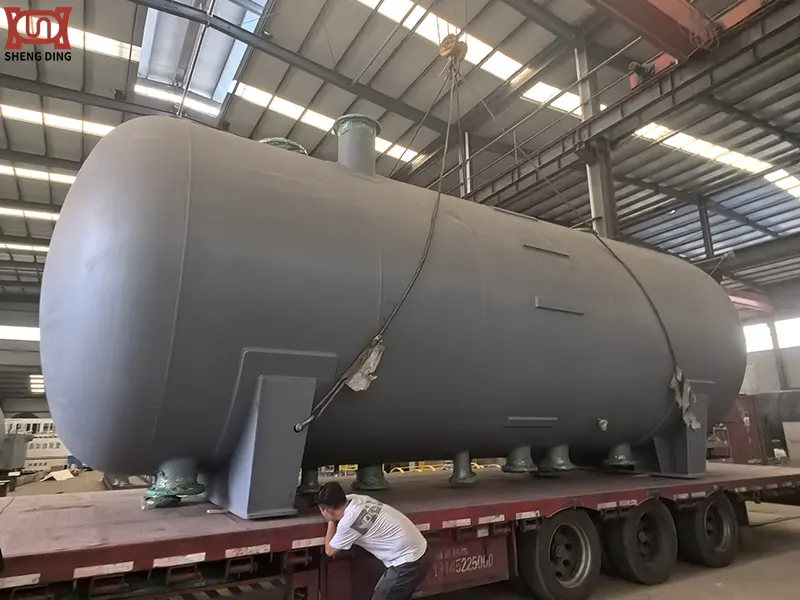
- Buried Gas Stations: SF type is suitable for corrosive soil environments, reducing leakage and maintenance frequency.
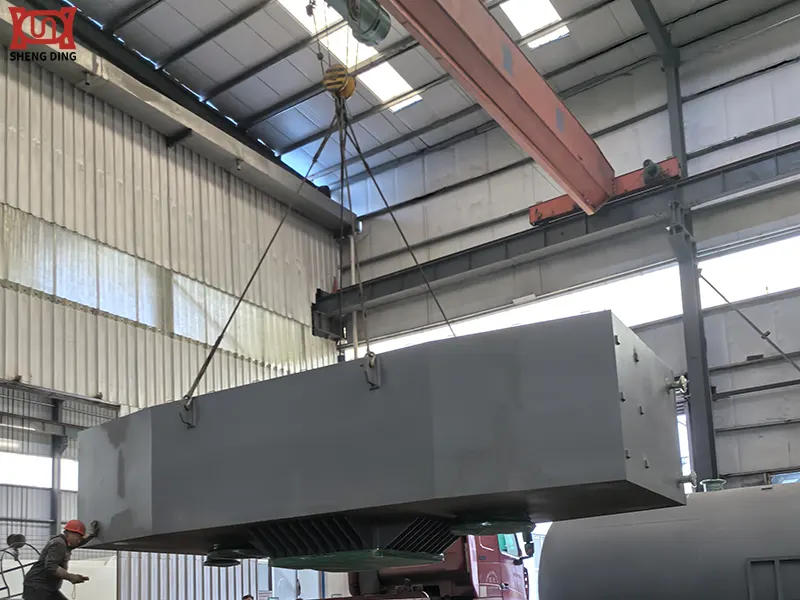
- Skid-mounted Refueling Units: Integrating double-layer barrier and explosion suppression, suitable for temporary/mobile refueling scenarios.
- Chemical Tank Areas: For storage of highly corrosive media, improving intrinsic safety and environmental protection levels.
Through the above explanation, we have gained a deep understanding of the design concept and structural composition of double-walled explosion-proof oil storage tanks. We understand that this design, through a systematic approach of "structural redundancy + active monitoring + inherent safety," transforms safety and environmental protection from a "passive response" to a "proactive prevention" strategy. With increasingly stringent safety requirements today, we believe that double-walled explosion-proof oil storage tanks will be applied to more industries. Taian Shengding Container Co., Ltd. has been engaged in the design, research and development, production, and sales of double-walled explosion-proof oil storage tanks for many years. Please feel free to contact us for product inquiries.
Written by
TAIAN SHENGDING METAL CONTAINER MANUFACTURING CO., LTD.
Editor Wang
WhatsApp:+86 152 5486 3111
Email:shengdingtank@126.com


- WhatsApp
- E-MailE-Mail:shengdingtank@126.com
- WeChatWeChat:15254863111