7 Key Maintenance Measures for Operating Skid-Mounted Fuel Stations in Winter


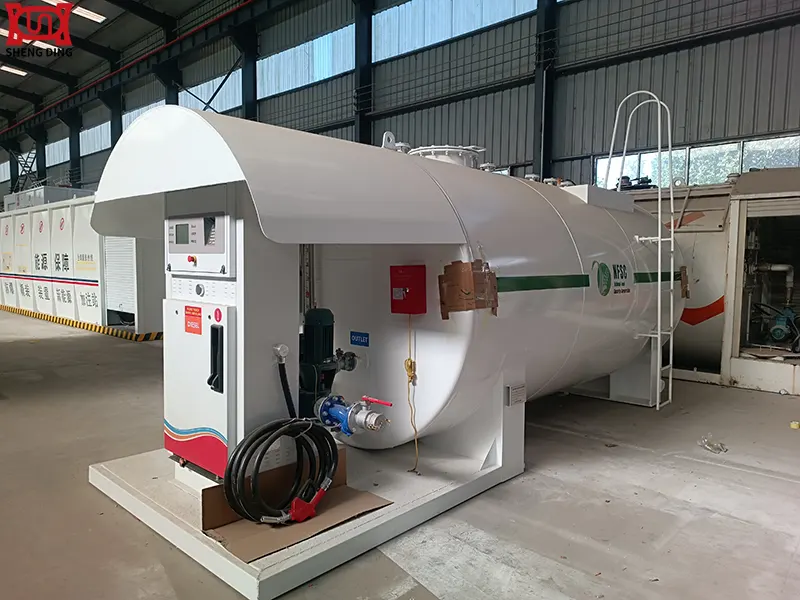
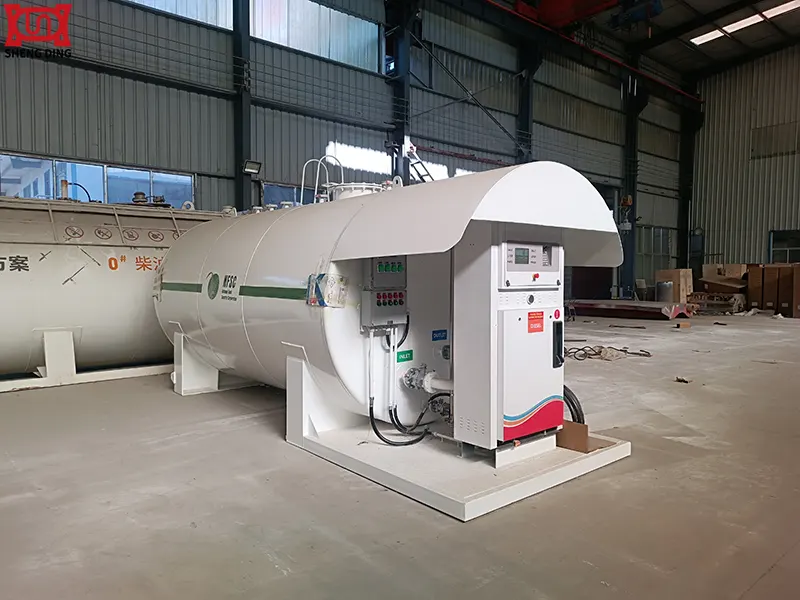
As temperatures continue to drop, the integrated and portable nature of skid-mounted fuel stations places higher demands on the precision of operations and maintenance during winter conditions. Unlike conventional underground fuel stations, all equipment at a skid-mounted station is exposed above ground; furthermore, their piping layouts are compact with limited thermal insulation and buffer space, making them highly susceptible to threats such as freezing blockages, metal embrittlement caused by cold temperatures, and static electricity accumulation. If mishandled, issues arising from low temperatures-such as wax precipitation in fuel, valve seal failures, or freezing in instrument air lines-can range in severity from minor interruptions in refueling services to major incidents involving leaks, spills, or mechanical damage. To ensure safe, smooth, and controlled operations throughout the winter season, it is essential to fully implement the following seven specialized maintenance measures, tailored specifically to the unique process characteristics of skid-mounted stations.
1. System Anti-Freezing and Thermal Insulation
Install thermal insulation cotton or protective covers on critical components-including fuel tanks, pipelines, and fuel dispensers. Apply electric heat tracing cables to all exposed pipelines and verify the functionality of their temperature control systems to ensure that the operating temperature of the Shengding skid-mounted fuel station remains consistently above 5oC.
1.1. Insulation Layer Thickness Standards
- Tank Insulation: 50-80 mm (Rock wool / Glass wool / Rigid PU foam).
- Piping (DN25-DN50): 30-40 mm.
- Piping (DN65-DN100): 40-50 mm.
- Outdoor Valves/Flanges: >=40 mm (Removable insulation jackets).
- Protective Cladding: Aluminum sheet / Color-coated steel (0.4-0.6 mm).
1.2. Electric Heat Tracing System
- Tracing Temperature Range: 5oC-15oC (Anti-freezing objective).
- Thermostat Setpoints (Start/Stop): Start <=3oC, Stop >=15oC.
- Minimum Maintenance Temperature: Not lower than 5oC (Critical threshold for preventing solidification/blockage).
- Heat Tracing Cable Power Output: 15-25 W/m (For standard pipelines).
- Explosion Protection Class: Ex d IIC T6 / Ex e II T6.
- Grounding Resistance: <=4ohm (For the heat tracing system).
1.3. Temperature Monitoring Requirements
- Oil Temperature (Inside Tank): >=5oC.
- Pipeline Surface Temperature: >=3oC.
- Ambient Temperature <=0oC: Heat tracing system must be activated.
1.4. Anti-freezing Drainage and Fluid Medium Requirements
- Water Jacket Heaters / Cooling Circulation Water: Anti-freeze fluid freezing point <=-35oC.
- Filters, Pump Chambers, Hose Dead Zones: Drain residual fluid at the end of every shift.
- Condensate Drainage: At least once daily.
1.5. Pressure Retention and Sealing Data
- Pneumatic Leak Test Pressure: 0.1 MPa.
- Pressure Retention Duration: 30 min.
- Allowable Pressure Drop: <=0.005 MPa.
1.6. Low-Temperature Material Requirements
- Seals/Gaskets: Low-temperature resistant down to -40oC (Fluororubber / Nitrile rubber).
- Lubricants: Low-temperature grade (Suitable for temperatures below -35oC).
2. Oil Product Quality Control
Switch to a lower-grade diesel fuel in a timely manner based on local minimum temperatures, and add a compliant low-temperature flow improver to prevent the risk of gelling and clogging.
2.1. Diesel Grade and Applicable Temperature
- #0 Diesel: For use at >= 4oC.
- #-10 Diesel: For use at >= -5oC.
- #-20 Diesel: For use at >= -15oC.
- #-35 Diesel: For use at >= -30oC.
2.2. Critical Temperatures for Preventing Waxing and Clogging
- Tank oil temperature: >= 5oC (Safe maintenance temperature).
- Pipeline oil temperature: >= 3oC (Critical threshold for preventing wax formation).
- Oil temperature <= 0oC: Heat tracing/insulation systems must be activated.
2.3. Low-Temperature Flow Improvers
- Addition ratio: 0.1%-0.3% (1:1000 to 3:1000).
- Potential reduction in Cold Filter Plugging Point (CFPP): 5-15oC (Refer to product specifications).
2.4. Tank Drainage
- Winter drainage frequency: Once daily.
- During rain, snow, or temperature drops: Once per shift.
- Water accumulation at tank bottom: <= 5 mm (Acceptable limit).
2.5. Tank Insulation
- Insulation layer thickness: 50-80 mm.
- Allowable tank heat loss (temperature drop): <= 8oC per 24 hours.
2.6. Pipeline Heat Tracing Parameters
- Heat tracing power: 15-25 W/m.
- Temperature control settings: Activate at 3oC; Deactivate at 15oC.
- Pipeline maintenance temperature: >= 5oC.
2.7. Filter Clogging Prevention
- Winter cleaning cycle: Once every 3-7 days.
- Differential pressure alarm: Cleaning is mandatory if pressure difference reaches >= 0.05 MPa.
2.8. Pump Chambers, Hoses, and Dead Zones
- Upon shutdown: Residual oil must be drained.
- For prolonged shutdowns: Thorough purging is required.
2.9. Operational Control Data for Preventing Waxing and Clogging
- Oil unloading temperature: >= 10oC (Recommended optimum).
- Minimum allowable oil outlet temperature: >= 2oC.
- Pipeline flow velocity: >= 0.5 m/s (To prevent wax formation due to low-temperature stagnation).
3. Fire and Explosion Prevention Enhancements
3.1. Explosion Suppression Devices
- Internal filling rate of explosion-suppression material in storage tanks: 100%.
- Material: 5052 / 3000-series aluminum alloy.
- Void ratio: >= 97%.
- Inspection frequency: Once every 6 months.
- Winter requirements: No collapse, no corrosion, no blockage by oil sludge.
3.2. Static Electricity Grounding
- Whole-station static grounding resistance: <= 10 ohm.
- Temporary grounding resistance for unloading tankers: <= 5 ohm.
- Static grounding clamp pressure: >= 30 N.
- Static electricity alarm: Immediate alarm triggered if > 10 ohm.
- Cold, dry weather conditions: Testing mandatory for every tanker.
3.3. Lightning Protection and Protective Grounding
- Lightning protection grounding resistance: <= 10 ohm.
- Equipment protective grounding resistance: <= 4 ohm.
- Flange bonding resistance: <= 0.03 ohm.
- Grounding electrode burial depth: >= 0.7 m.
3.4. Explosion-proof Electrical Equipment
- Explosion-proof rating: Ex d IIB T4 or Ex d IIC T4.
- Minimum ambient temperature rating: -40oC.
- Motor insulation resistance: >= 1 Mohm.
- Cable sealing: Explosion-proof cable glands + sealing compound.
- Junction boxes: No condensation, no water accumulation.
3.5. Vapor Recovery
- Airtightness test pressure: ¡À 500 Pa.
- Pressure retention: Pressure drop <= 50 Pa over 5 minutes.
- Liquid resistance: <= 30 Pa.
- Recovery efficiency: >= 90%.
3.6. Firefighting Facilities
- Fire extinguishers: 4 kg dry powder type; 1 unit for every 2 dispensers.
- Fire blankets: >= 1.5 m * 1.5 m.
- Firefighting sand: >= 2 m3.
- Sprinkler/Foam systems: Must be drained in winter to prevent freezing.
- Pressure: Dry powder extinguisher cylinder 1.2-1.5 MPa.
3.7. Emergency Shut-off
- Emergency shut-off valve closing time: <= 3 seconds.
- Breakaway Coupling Separation Force: <= 3000 N.
- High-Level Alarm: 90%.
- High-Level Valve Interlock Closure: 95%.
3.8. Special "Red Line" Data for Winter Explosion Prevention
- Oil Temperature inside Tank: >= 5oC.
- Oil Unloading Flow Rate: <= 4.5 m/s.
- Wind Speed during Operations: > Force 6 (Stop unloading).
- Gas Concentration within Station: <= 1% LEL.
4. Key Equipment Maintenance: Ensuring Operational Reliability
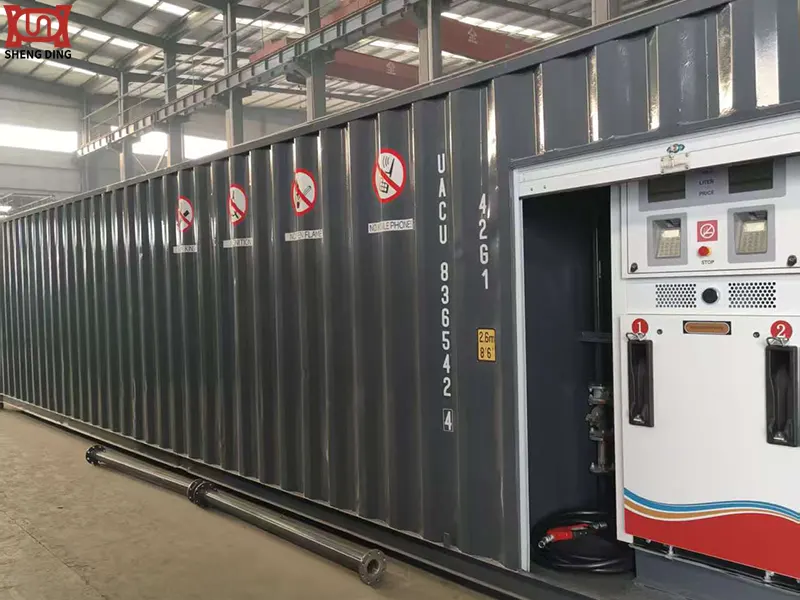
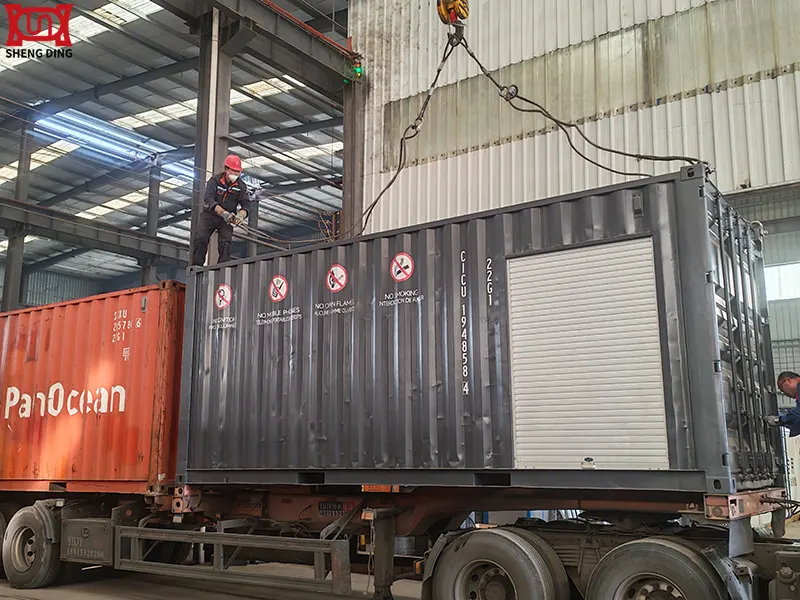
Conduct monthly leak tests on storage tanks and oil pipelines using the 0.1 MPa pneumatic method; maintain pressure for 30 minutes with a pressure drop not exceeding 5%.
- Quarterly: Clean submersible pump filters; inspect motor insulation resistance (>= 1 M ohm); and test emergency shut-off valves to ensure reliable closure within 3 seconds.
- Semi-annually: Calibrate safety instrumentation-including level gauges, pressure gauges, and flow meters-and promptly replace any devices exceeding allowable error limits.
5. Electrical System Maintenance: Eliminating Short-Circuit Hazards
- Inspect the sealing and explosion-proof integrity of junction boxes on equipment such as fuel dispensers and power distribution cabinets; replace any aging insulation components.
- Test the emergency generator: Perform a no-load start-up for 5-10 minutes weekly to ensure reliable starting capability in low-temperature conditions.
- Strengthen maintenance of lightning protection grounding and UPS systems to prevent short circuits or power interruptions caused by low temperatures and high humidity.
6. Operational Environment & Personnel Protection: Eliminating On-Site Risks
- During rainy or snowy weather, promptly clear accumulated snow and ice from station roadways and steps; deploy anti-slip mats and erect warning signs.
- Equip employees with appropriate personal protective equipment (PPE), including cold-weather clothing, anti-slip anti-static footwear, and insulated gloves; provide hot beverages and emergency medical supplies.
- Standardize oil unloading procedures and strictly adhere to static electricity discharge protocols; avoid high-flow-rate oil unloading operations during low-temperature conditions.
7. Emergency Management & Record Keeping: Enhancing Response Capabilities
- Develop emergency response plans specifically for extreme winter weather conditions; conduct emergency drills covering scenarios such as oil spills, fires, and pipeline blockages caused by freezing.
- Establish and maintain a comprehensive maintenance log, retaining inspection reports for a minimum of three years; conduct semi-annual refresher training for employees on winter safety protocols and operational procedures.
- Stockpile supplies such as snow-melting agents, anti-slip mats, emergency lighting, and de-icing agents to ensure they are available for immediate use at any time.
The core of operations and maintenance for Shengding skid-mounted fueling stations during the winter season lies in proactive intervention across three key dimensions: drainage, thermal insulation, and static electricity prevention. The seven measures outlined above are closely interconnected: neglecting to drain water from the tank bottom renders pipeline heat tracing efforts futile, while failing to properly stow hoses exposes them to the risk of freezing and cracking by the very next day. Each facility should tailor these requirements to local temperature fluctuations, integrating them into daily inspection checklists and shift handover records. Particular emphasis must be placed on strictly enforcing accountability for the daily draining of accumulated water and condensate, as well as the purging of stagnant fluid from dead-leg sections of the piping. Only by implementing preventive measures before the onset of cold waves-and by meticulously attending to every minute detail, down to each individual hose-can we ensure that our skid-mounted fueling stations remain in a safe and highly efficient operational state throughout the entire winter season.
Written by
TAIAN SHENGDING METAL CONTAINER MANUFACTURING CO., LTD.
Editor Wang
WhatsApp:+86 152 5486 3111
Email:shengdingtank@126.com


- WhatsApp
- E-MailE-Mail:shengdingtank@126.com
- WeChatWeChat:15254863111