Mobile Fuel Station Leak Testing Device Installation and Usage Guide


Leak testing equipment for mobile fuel stations is a core component for their safe and environmentally friendly operation, primarily used to test the sealing performance of storage tanks and pipelines. The installation and use of mobile fuel station leak testing equipment is a systematic and rigorous process, with safety, sealing, accuracy, and data traceability as its core principles. Its installation and use must strictly adhere to operating procedures and technical specifications, always prioritizing the manufacturer's instructions and the latest environmental and safety regulations of the country/region where it is located.
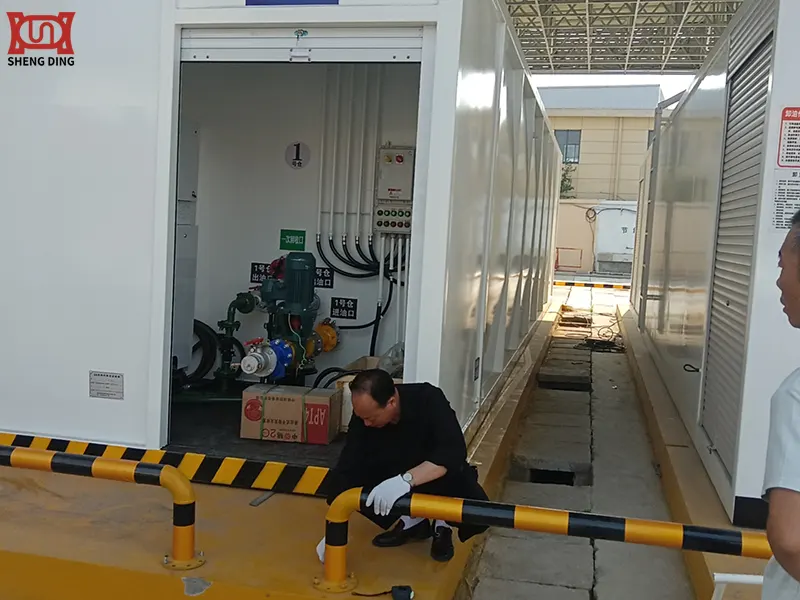
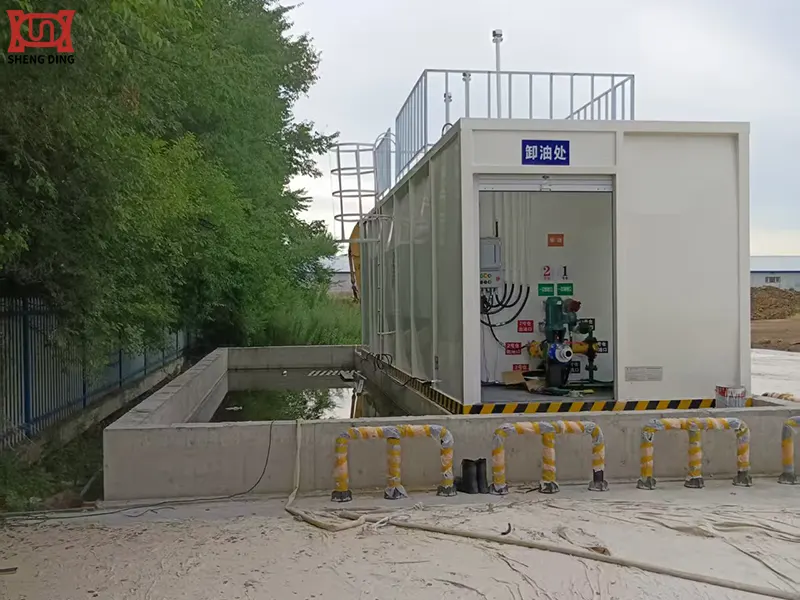
1. Leak Testing Equipment Components
- 1.1. Core Components: Pressure source (air compressor, nitrogen cylinder, inert gas preferred), pressure regulating valve, high-precision pressure gauge (range 1.5~2 times the test pressure, accuracy >=0.4), pressure sensor (optional, for automatic monitoring), connecting pipelines (oil-resistant, pressure-resistant hoses), sealing plugs, soapy water (or gas leak detector).
- 1.2. Auxiliary Components: Wrench, screwdriver, Teflon tape, sealing gaskets, safety protective equipment (safety helmet, safety glasses, anti-static clothing).
2. Pre-Installation Preparation
2.1. Equipment Inspection
- Check the integrity of all components of the testing device, ensuring the pressure gauge is within its calibration validity period, connecting pipelines are free from damage and aging, and seals are free from cracks.
- Check the areas of the mobile refueling station to be tested: tank manholes, flange interfaces, valve inlets and outlets, pipe joints, etc., ensuring they are clean and free of oil stains and rust, and ensuring the sealing surfaces are flat.
2.2. Site Preparation
- Select a flat, well-ventilated site free from open flames, away from flammable and explosive materials, and set up safety warning signs.
- Ensure the mobile refueling station is stationary, the skid-mounted base is securely fixed, power and fuel are disconnected, and all inlet and outlet valves are closed.
2.3. Personnel Preparation
- Operators must be professionally trained, familiar with the structure of the mobile refueling station and the operation of the testing device, and hold a valid certification.
3. Leakage Testing Device Installation Steps
3.1. Tank Leakage Testing Device Installation (Airtightness Test)
- 3.1.1. Close all inlet and outlet valves of the tank (e.g., oil inlet, oil outlet, drain outlet, breather valve interface).
- 3.1.2. Select the dedicated test interface for the tank (if not available, use a manhole flange or a spare interface), clean the interface sealing surface, and wrap with Teflon tape or install a sealing gasket.
- 3.1.3. Connect one end of the connecting pipeline to the test interface, and the other end sequentially connect to the pressure regulating valve, pressure gauge, and pressure source (nitrogen cylinder or air compressor).
- 3.1.4. Seal other openings of the tank (e.g., breather valve interface) with sealing plugs to ensure the tank is completely sealed.
- 3.1.5. Check the tightness of all connections to prevent leaks during installation.
3.2. Pipeline and Valve Leakage Testing Device Installation
- 3.2.1. Disconnect the pipeline to be tested from the tank, or close the valves at both ends of the pipeline to form an independent test section.
- 3.2.2. Install connecting pipes at one end of the test section, and connect the pressure regulating valve, pressure gauge, and pressure source in sequence.
- 3.2.3. Install a sealing plug at the other end of the test section to ensure the internal sealing of the pipeline.
- 3.2.4. If testing valve components, the valves must be in the open state. After installing the device, test the pipelines before and after the valves simultaneously.
4. Leakage Testing Device Usage Procedure
4.1. Parameter Setting Before Testing
- Tank airtightness test pressure: Take 1.0~1.1 times the tank design pressure (the test pressure for atmospheric pressure tanks is generally 5~10 kPa; for pressure tanks, follow the design documents).
- Pipeline and valve test pressure: Take 1.5 times the pipeline design pressure, but not less than 0.2 MPa.
- Adjust the pressure regulating valve to the closed state to ensure that the pressure source output pressure covers the test pressure.
4.2. Airtightness Test Procedure
4.2.1. Slow Pressure Increase
- Turn on the pressure source switch and slowly adjust the pressure regulating valve to gradually increase the pressure at the test location to 50% of the test pressure. Hold the pressure for 5 minutes and check for any obvious leaks (such as a sudden drop in pressure gauge readings or air leakage at connections).
- If no abnormalities are found, continue increasing the pressure to 80% of the test pressure and hold the pressure for 5 minutes. Check again.
- Finally, increase the pressure to the rated test pressure and close the pressure regulating valve and pressure source switch.
4.2.2. Pressure Holding Monitoring
- Pressure holding time: For tanks, hold the pressure for at least 30 minutes; for pipelines and valves, hold the pressure for at least 20 minutes.
- Monitoring method: Record the pressure gauge reading every 5 minutes. Simultaneously, apply soapy water to all connections, welds, valve packing glands, and other potential leak points, observing for any bubble formation.
- If using a gas leak detector, bring the detector probe close to the test location and monitor whether the leak concentration exceeds the threshold.
4.2.3. Leakage Judgment
- Acceptance Criteria: During the pressure holding period, the pressure drop on the pressure gauge does not exceed 5% of the test pressure, and no bubbles are generated at any testing location, and the gas leak detector does not alarm. This is considered a leak-free test.
- Handling of Non-Acceptance: If a leak is found, immediately stop the test, slowly depressurize to atmospheric pressure, investigate and repair the leak point (e.g., replace seals, retighten flanges, repair welds), and retest after repair.
4.3. Post-Test Handling
- 4.3.1. Slow Depressurization: Open the pressure regulating valve and slowly release the pressure at the test location. Rapid depressurization is strictly prohibited as it may damage the equipment.
- 4.3.2. Device Removal: After the pressure drops to atmospheric pressure, sequentially remove the connecting pipes, pressure gauge, sealing plugs, and other components, and clean the interface sealing surfaces.
- 4.3.3. Equipment Restoration: Restore the valves and interfaces of the mobile fuel station to normal operating conditions, and install components such as the breather valve.
- 4.3.4. Record Keeping: Complete the leak test record, including test date, equipment number, test pressure, holding time, test results, operator information, etc., and archive it for future reference.
5. Key Points to Ensure Test Accuracy
5.1. Adequate System Isolation:
- This is the foundation for successful testing. The tank under test must be reliably isolated from all other systems (fuel lines, unfuel lines, vent lines, level gauges, etc.) using methods such as blind flanges, plugs, or closed double isolation valves. Relying solely on valve closure is unreliable.
5.2. Influence and Control of Environmental Factors:
- Temperature is the biggest interference factor: Tests must be conducted during periods of relatively stable temperature (such as early morning or night), avoiding direct sunlight or drastic weather changes.
- Record and Correct: Accurately record the ambient temperature and the gas temperature inside the tank at the start and end of the test. Professional testing instruments will automatically perform temperature-pressure compensation calculations. If manual calculation is used, a correction formula must be used.
5.3. Ensure Sufficient Stabilization Time:
- After pressurization, a sufficiently long stabilization period (usually 5-15 minutes) must be allowed to fully exchange the heat generated by the compression of the gas inside the tank with the external environment. Formal testing and timing should only begin after the pressure has stabilized.
5.4. Self-Sealing of Equipment and Connections:
- Before formal testing, the airtightness of the testing device itself, connecting hoses, and all joints must be checked (using soapy water) to ensure that the "testing tool" itself is leak-free; otherwise, the results will be invalid.
6. Safety Precautions
- 6.1. During testing, it is strictly forbidden to disassemble or tighten any components under pressure, and it is strictly forbidden to strike the tank or pipelines.
- 6.2. Inert gases such as nitrogen should be used as the pressure source. The use of flammable and explosive gases such as oxygen and hydrogen as the test medium is prohibited.
- 6.3. The test pressure must not exceed the design pressure of the equipment to prevent plastic deformation or rupture of the tank and pipelines.
- 6.4. Operators must wear safety protective equipment and stand in a safe area to avoid injury from the bursting of the pressure source or connecting pipelines.
- 6.5. Open flames and smoking are prohibited at the testing site. Fire extinguishers and other fire-fighting equipment must be provided. If a gas leak detector is used, ensure the instrument is in normal working condition.
- 6.6. For hydraulic testing (if used), clean water must be used as the medium. After testing, drain the water from the tank and pipes and dry them to prevent corrosion.
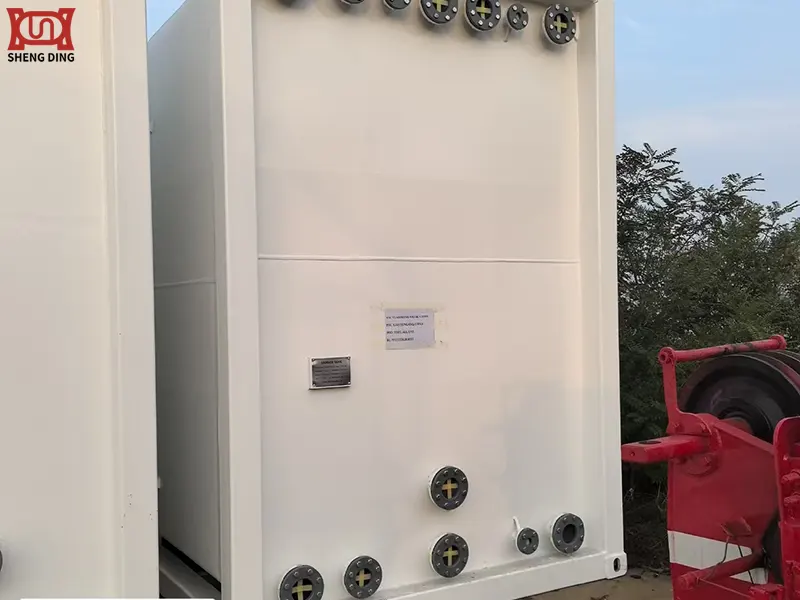
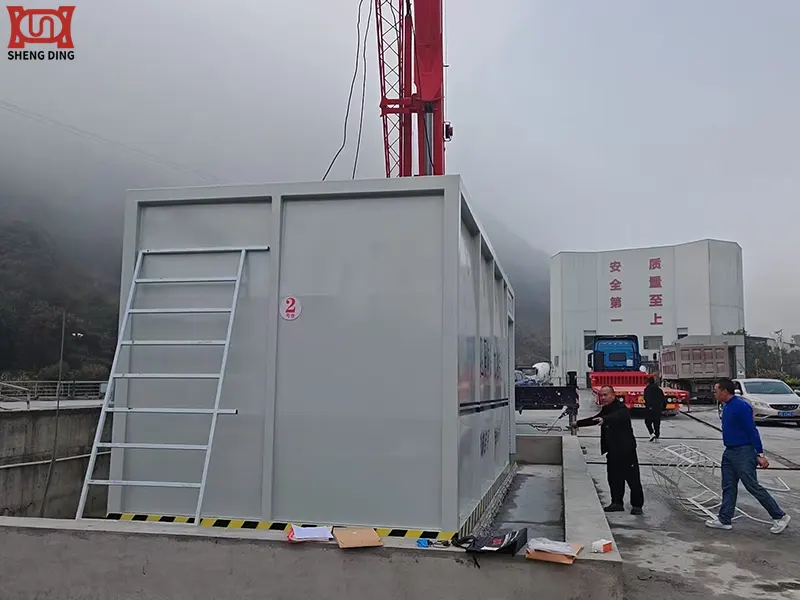
7. Equipment Maintenance and Care
- 7.1. Regular Calibration: Pressure gauges and pressure sensors should be calibrated at least once a year to ensure testing accuracy.
- 7.2. Component Inspection: After each use, check the wear of connecting pipes and seals. Replace any damaged parts immediately. Regularly clean the filter screen of the pressure regulating valve to prevent clogging.
- 7.3. Storage Requirements: The testing equipment should be stored in a dry, ventilated warehouse free of corrosive gases. Connecting pipes should be neatly coiled, and pressure gauges should be protected against impacts.
- 7.4. Regular Maintenance: Perform a comprehensive maintenance on the pressure source (air compressor, nitrogen cylinder) every six months, checking the stability of pressure output to ensure normal equipment operation.
8. Handling Special Situations
- 8.1. If a sudden pressure drop occurs during the test, immediately stop pressurizing, shut off the pressure source, slowly depressurize, and then check for leaks. Continue pressurizing is strictly prohibited.
- 8.2. If a connecting pipe bursts or a sealing plug falls off, operators should immediately evacuate to a safe area and wait for the pressure to be completely released before proceeding.
- 8.3. If a gas leak occurs at the test site and reaches the explosion limit, immediately cut off all power. Do not use mobile phones, walkie-talkies, or other electronic devices. Organize personnel to evacuate and call emergency services.
9. Conclusion
The core precautions for leak testing are "safety first, accurate data, and standardized procedures." Any negligence may cause serious safety accidents, environmental pollution, or invalid testing, leaving hidden dangers. Always treat this work with utmost care, regarding it as a rigorous "check-up" of the tank's health. We hope the above information will be helpful when installing mobile fuel stations in the future. Shengding Container Co., Ltd. specializes in producing various models of mobile fuel stations and skid-mounted gas stations. Please feel free to contact us if you have any needs.
Written by
TAIAN SHENGDING METAL CONTAINER MANUFACTURING CO., LTD.
Editor Wang
WhatsApp:+86 152 5486 3111
Email:shengdingtank@126.com


- WhatsApp
- E-MailE-Mail:shengdingtank@126.com
- WeChatWeChat:15254863111