The Top 10 Ultimate Usage Guidelines for the Best Skid-Mounted Fuel Stations


Skid-mounted fueling stations (specifically, explosion-proof, barrier-protected skid-mounted fueling units)-thanks to their advantages in safety, convenience, cost-effectiveness, and environmental friendliness-are fast becoming the preferred solution for major fuel consumers such as logistics parks, public transit depots, and industrial and mining enterprises. However, every stage-from model selection and installation to daily operations and maintenance-directly impacts both operational efficiency and safety standards. To help users truly maximize the utility of their skid-mounted fueling stations, we have synthesized industry regulations with practical field experience to compile this list of "The Top 10 Ultimate Usage Guidelines." Whether you are a first-time user or looking to optimize an existing site, the following content will clarify key points and ensure your skid-mounted station delivers its maximum value.
1. Understanding Skid-Mounted Fueling Stations
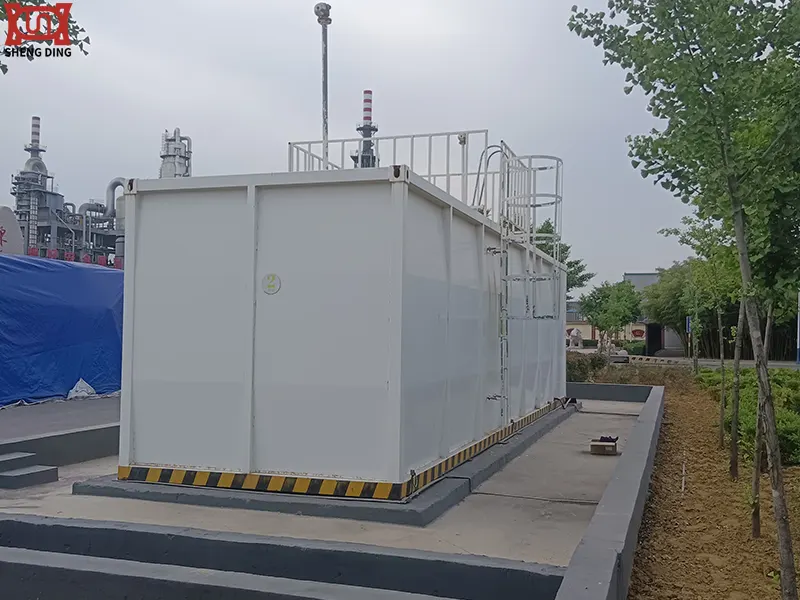
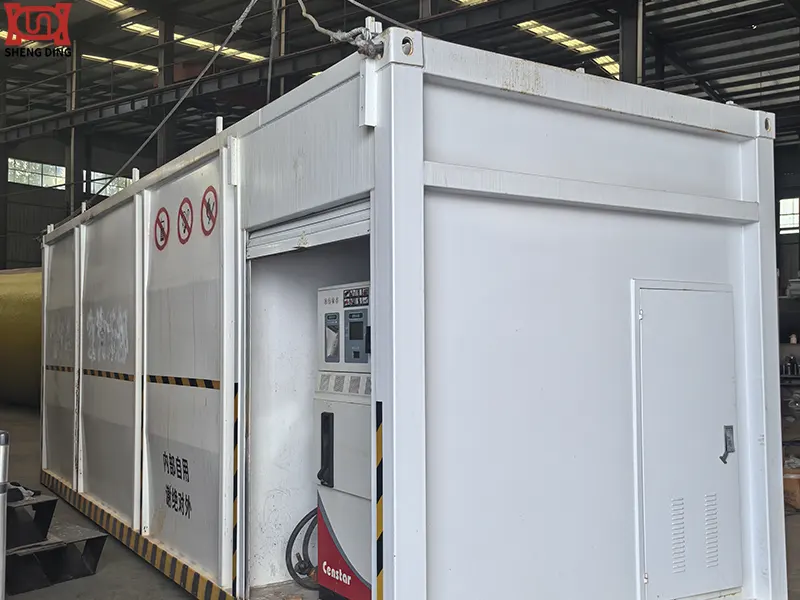
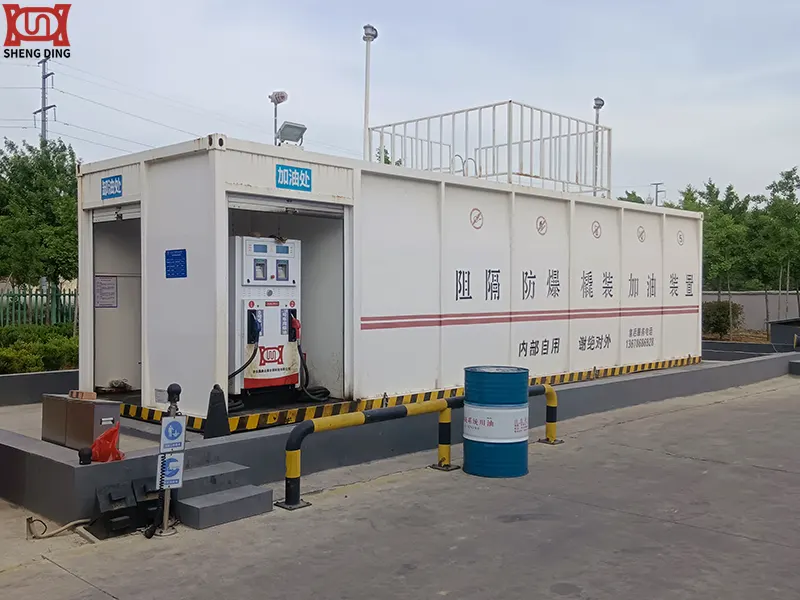
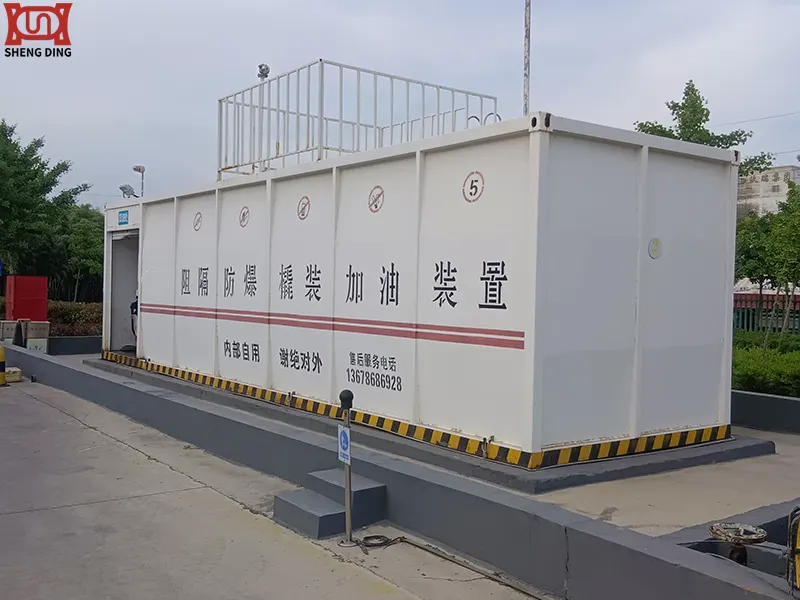
A skid-mounted fueling station integrates all essential components-including double-walled fuel tanks, explosion-proof barrier materials, fuel dispensers, vapor recovery systems, leak detection sensors, emergency shut-off valves, and fire suppression systems-onto a single skid-mounted chassis. These units are fully assembled at the factory and shipped as a complete package, allowing for immediate operation the moment they are delivered and positioned on-site.
1.1. Advantages and Applications
- Advantages: Explosion-proof safety, minimal footprint, simplified approval processes, portability/relocatability, and low initial investment.
- Applications: Industrial plants, logistics parks, construction sites, mining operations, ports, and private internal fleet fueling.
1.2. Core Safety Principles (Why they are safer than standard fuel tanks)
- The interior of the tank is filled with an aluminum alloy explosion-proof barrier material; this prevents explosions even in the event of gunfire, physical impact, or exposure to open flames.
- The unit features a double-walled tank design with an interstitial leak detection system, ensuring an immediate alarm is triggered the moment any fuel leakage occurs.
- The system comes equipped with built-in safety features, including emergency shut-off valves, electrostatic grounding, liquid level alarms, and vapor recovery capabilities.
1.3. Capacity and Fuel Compatibility
- Common Capacities: 10 m3, 20 m3, and 30 m3; the maximum capacity for a single tank unit typically does not exceed 50 cubic meters.
- Fuel Types: Compatible with both diesel and gasoline; however, industrial and commercial enterprises typically opt for diesel-specific skid-mounted stations.
1.4. Can the Station Provide Fueling Services to the Public?
- Legitimate and fully compliant skid-mounted fueling stations are strictly limited to fueling the enterprise's own internal fleet vehicles.
- Providing fueling services to external, non-affiliated vehicles (the general public) constitutes the unauthorized and illegal operation of refined oil products and is subject to regulatory penalties.
2. Benefits of Investing in Skid-Mounted Fueling Stations
2.1. Direct Cost Savings and Tangible Returns
- Fuel Price Arbitrage: By eliminating intermediaries and avoiding the price premiums charged by commercial gas stations, you can save 80-150 RMB per ton on diesel and 120-200 RMB per ton on gasoline. *Example:* For a daily fuel consumption of 3 tons, annual savings can range from 109,500 to 164,250 RMB.
- Elimination of Transportation, Queuing, and Downtime Costs: Vehicles no longer need to leave the premises to refuel, saving on fuel costs, transportation expenses, labor, and lost time; large fleets can realize annual savings starting in the tens of thousands.
- Rapid Return on Investment (ROI): For daily fuel consumption >= 3 tons, the investment pays for itself within 8-12 months; for daily consumption between 1 and 3 tons, ROI is achieved within 1-2 years.
2.2. High Safety Standards
- Integrated Explosion-Proof Barrier Materials: Designed to prevent explosions or flashovers in the event of gunfire, vehicular collision, or exposure to open flames.
- Double-Walled Tanks + Real-Time Leak Monitoring: Provides robust protection against seepage and environmental contamination.
- Built-in Safety Features: Equipped with automatic emergency shut-off valves, electrostatic grounding systems, and high/low liquid level alarms; safety protocols fully comply with national standards, facilitating easy approval by fire safety authorities.
- Compared to Conventional Underground Tanks: The accident rate is reduced by over 90%, resulting in a drastic reduction in corporate safety risks.
2.3. Rapid Deployment and Relocatable Assets
- No Need for Traditional Civil Engineering: Requires minimal footprint and eliminates the need for land acquisition; any vacant space within a factory or facility compound is sufficient.
- Integrated Skid-Mounted System: Installation is completed within 7-15 days-dozens of times faster than constructing a traditional gas station.
- Relocatable and Reusable: The unit can be dismantled and moved, allowing for continued use during construction site relocations or facility transfers, thereby preventing asset waste.
- Streamlined Administrative Procedures: The process primarily involves filing for record (rather than complex licensing); the approval cycle is typically 15-30 days, representing a low barrier to entry.
3. Top 10 Ultimate Usage Guidelines
3.1. Site Selection & Layout: Safety Distances + Site Technical Standards
- Skid-mounted tank placement: >=25 meters from open flames/heat sources; >=15 meters from civil buildings; >=5 meters from main factory roads.
- Site requirements: Hardened ground surface with a load-bearing capacity of >=20 tons/m2; slope <=0.2%; waterproof and impermeable surface; installation of a containment dike (with a volume >=10% of the tank's volume).
- Explosion-proof zone: Within a 3-meter radius surrounding the fuel dispenser, the placement of power distribution boxes, EV charging piles, and standard electrical appliances is prohibited; the entire zone must adhere to explosion-proof standards.
- Optimal site locations: Within factory premises, logistics parks, construction sites, ports, or mining areas; situated away from residential zones, schools, and hospitals.
3.2. Tank Selection: Capacity & Key Technical Parameters
- Mainstream optimal capacities: 10 m3, 20 m3, and 30 m3; individual tank capacity must not exceed 50 m3 (the regulatory compliance limit).
- Double-walled tanks: Interstitial gap of 0.4-0.6 mm; leak detection sensitivity of 0.1 L/h; designed to completely prevent leakage.
- Material standards: Q235-B carbon steel; anti-corrosion coating thickness >=300 ¦Ìm; corrosion resistance lifespan >=15 years.
- Explosion suppression: Internal filling with aluminum alloy explosion-suppression material; 100% explosion suppression rate; impact pressure resistance <=0.14 MPa.
3.3. Regulatory Approval & Compliance: Mandatory Procedures + Timelines
- Essential permits/documents: Hazardous Chemicals Filing, Fire Safety Acceptance Inspection, Safety Assessment, Lightning Protection Inspection, Environmental Impact Assessment (EIA), and Business License Scope Expansion.
- Approval cycle: 15-30 working days, provided all documentation is complete; compliant skid-mounted stations are prohibited from refueling external public vehicles (usage is strictly limited to the enterprise's own fleet).
- Lightning protection & grounding: Grounding resistance <=4 ohm (tested annually); static electricity grounding resistance <=100 ohm.
3.4. Fuel Usage: Refueling Standards + Loss Control Data
- Applicable Fuels: 92#/95# Gasoline; 0#/-10#/-20# Diesel. Co-loading (mixing) is strictly prohibited.
- Refueling Flow Rate: Diesel <= 40 L/min; Gasoline <= 25 L/min. Excessive flow rates can easily generate static electricity.
- Loss Control: Closed-loop unloading + Vapor recovery system. Annual loss rate controlled to <= 0.3% (compared to 1%-2% for standard storage tanks).
- Temperature Thresholds: Summer-internal tank temperature <= 45oC; Winter-use the appropriate diesel grade to prevent gelling/freezing.
3.5. Routine Operations & Maintenance: Daily/Weekly/Monthly Mandatory Checks
- Daily Inspection: Pressure normal, no leaks, liquid level normal, static grounding effective, alarm system functional.
- Weekly: Vapor recovery system check, dispenser metering accuracy (error <= +-0.3%), explosion-proof components intact.
- Monthly: Interstitial leak detection, safety valve verification, liquid level gauge calibration, grounding resistance re-measurement.
- Annual Inspection Items: Fire safety systems, lightning protection systems, safety assessment, tank corrosion inspection.
3.6. Safety & Risk Control: Alarm Systems + Protection Thresholds
- Essential Systems: High/low liquid level alarms, leak detection alarms, temperature alarms, static grounding alarms, emergency shut-off system.
- Emergency Shut-off Response Time: <= 0.5 seconds. Automatic overpressure relief threshold: 0.07 MPa.
- Fire Safety Configuration: 4 X 4kg dry powder fire extinguishers per 10 m3 of storage capacity; >= 2 fire blankets; >= 0.5 m3 of sand.
- Prohibited Behaviors: Smoking on-site, using mobile phones, open-flame operations, unauthorized personnel entry.
3.7. Personnel Management: Qualification Standards + Operational Protocols
- Operators must hold a valid Hazardous Chemicals Operation Certificate, subject to renewal/review every 3 years.
- Optimal Staffing (Single-Person Watch): 1 operator for daily refueling volumes < 10 tons; 2 operators (on shifts) for volumes > 10 tons.
- Fuel Unloading Operations: Two-person supervision required; unloading duration >= 30 minutes; grounding must be maintained throughout the entire process; allow for a 15-minute settling period before refueling operations resume.
3.8. Cost Control: Investment + ROI + Key Operational Metrics
- Complete 20 m3 Skid-Mounted Station Package (Tank + Dispenser + System + Approvals): 120,000 - 180,000 RMB.
- Return on Investment (ROI) Period: If the enterprise's daily fuel consumption is >= 3 tons, ROI is achieved within 8-12 months; if daily consumption is 1-3 tons, ROI is achieved within 1-2 years.
- Operational Costs: Electricity, annual inspections, consumables, and labor; averaging 800 - 2,000 RMB per month.
- Comparison with External Fuel Procurement: Savings of 80-150 RMB per ton; for large-scale logistics parks, annual savings can amount to hundreds of thousands of RMB.
3.9. Service Life: Maintenance and Retirement Standards
- Normal Use + Standardized Maintenance: Overall service life of 15-20 years.
- Replacement Cycle for Key Components: Fuel dispenser: 3-5 years; alarm system: 5-8 years; explosion-proof barrier material: 10 years.
- Retirement Criteria: Mandatory decommissioning if tank corrosion depth exceeds 2 mm, the interstitial layer is damaged, or the safety assessment fails to meet standards.
3.10. Emergency Response: Standard Procedures + Data for Leaks/Fires/Power Outages
- Fuel Leakage: Immediately cut off power supply, evacuate personnel, establish containment barriers/berms, use sand/absorbent materials to absorb spills, and strictly prohibit flushing with water.
- Initial-Stage Fire: Activate a dry chemical fire extinguisher within 30 seconds; aim at the base of the flames to control the fire.
- Power Outage Emergency: Automatic switchover to UPS backup power; emergency shut-off valves close automatically to ensure safety.
- Incident Reporting: In the event of a leak or fire, report the incident to the local emergency management and fire departments within 10 minutes.
4. Skid-Mounted Fueling Station Purchasing Guide
4.1. Safety Configuration Checklist
- Must select a double-walled, explosion-proof tank featuring aluminum alloy explosion-suppression filling and real-time monitoring of interstitial layer leaks.
- Standard Equipment: Emergency shut-off valves, static grounding alarm, high/low liquid level alarms, and a vapor recovery system.
- Reject low-priced, obscure-brand units featuring single-layer tanks, no explosion protection, or no leak detection capabilities; these will inevitably face strict scrutiny during future fire safety and workplace safety inspections.
4.2. Check Credentials and Manufacturer Reputation
- The manufacturer must possess national explosion-proof certification, inspection reports, and production qualifications to facilitate the necessary emergency filing procedures.
- Prioritize reputable manufacturers capable of providing assistance with safety assessments, fire safety documentation, and lightning protection plans.
- Reject equipment from small, uncertified workshops; purchasing such equipment will prevent you from passing regulatory approvals, rendering them illegal, non-compliant "black market" tanks.
4.3. Evaluate Configuration and After-Sales Support
- Select capacity based on demand: 20 or 30 cubic meters are the most common sizes; choose models specifically designed for either diesel or gasoline, depending on the fuel type.
- Opt for explosion-proof, intelligent fuel dispensers featuring license plate recognition and a data management backend to facilitate internal operational control.
- Clarify after-sales terms: confirm the warranty duration, on-site installation services, guidance for annual inspections, and spare parts replacement services.
5. Maintenance Guide for Skid-Mounted Fueling Stations
5.1. Daily Safety Checks
- Daily: Inspect the tank body for any leaks; verify that the static grounding system is intact and that the emergency shut-off valve is functioning correctly. Strictly prohibit open flames and the use of mobile phones in the vicinity.
5.2. Periodic Inspections
- Weekly: Inspect the fuel dispensers and alarm systems. Monthly: Calibrate liquid levels and perform leak detection checks. Annually: Conduct lightning protection and fire safety inspections.
5.3. Standardized Fueling and Unloading Procedures
- Control the fueling flow rate; ensure a two-person supervision team is present during fuel unloading operations. Maintain the tank's anti-corrosion protection and promptly clean up any oil spills or debris.
6. Frequently Asked Questions (FAQs) Regarding Skid-Mounted Fueling Stations
6.1. Can a skid-mounted fueling station be used to refuel general public vehicles?
- No. They are strictly limited to internal use by the owning enterprise; operating them to serve the general public constitutes the illegal sale of refined oil products.
6.2. What regulatory procedures are required for a skid-mounted fueling station?
- The primary requirements involve conducting a safety assessment, filing for fire safety approval, performing lightning protection testing, and completing relevant registrations for hazardous chemicals. The overall approval process is simpler than that for traditional gas stations.
6.3. How long do skid-mounted tanks last, and are they safe?
- Reputable, double-layer explosion-proof models typically have a service life of 15 to 20 years under normal operating conditions. Equipped with explosion-suppression barriers and leak detection systems, they are significantly safer than standard fuel storage tanks.
7. Conclusion: Choosing the Right Skid-Mounted Fueling Station for You
- When selecting a skid-mounted fueling station, the key is to align the tank capacity and configuration with your specific daily fuel consumption, site conditions, and regulatory compliance requirements. Prioritize legitimate equipment suppliers that possess comprehensive certifications, meet all safety standards, and offer robust after-sales support. By balancing practicality, safety, and long-term operating costs, you can identify the optimal solution best suited to your enterprise.
The true value of a skid-mounted fueling station lies not merely in the reliability of the hardware itself, but-more importantly-in its scientific and standardized operational management. By adhering to the ten guidelines outlined above, you can not only significantly enhance fuel safety and operational efficiency but also effectively reduce overall operating costs. Remember: even the finest equipment requires diligent human maintenance. Only through regular inspections, strict operational protocols, and timely troubleshooting can a skid-mounted fueling station provide stable, reliable service over the long term. We hope this guide serves as a practical manual for your daily management, empowering you to navigate the path toward cost reduction and efficiency improvement with greater confidence and peace of mind.
Written by
TAIAN SHENGDING METAL CONTAINER MANUFACTURING CO., LTD.
Editor Wang
WhatsApp:+86 152 5486 3111
Email:shengdingtank@126.com


- WhatsApp
- E-MailE-Mail:shengdingtank@126.com
- WeChatWeChat:15254863111